
Top 3 Tools That Can Replace Kenna Security
Don't just replace Vulnerability Management. Upgrade to Vulnerability Exposure Management.
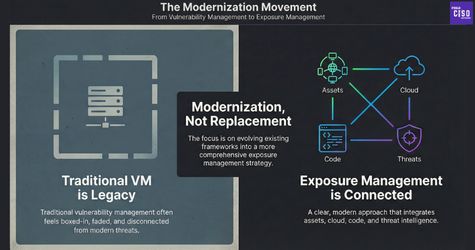
Cisco's announcement of the end-of-sale for Cisco Vulnerability Management (formerly Kenna Security) creates an important decision point for security leaders: continue on a legacy path or take the opportunity to modernize.
Although the Kenna platform will remain supported until June 30, 2028, support alone does not ensure alignment with evolving customer needs or the rapidly changing threat landscape.
Why a Like-for-Like Replacement Falls Short
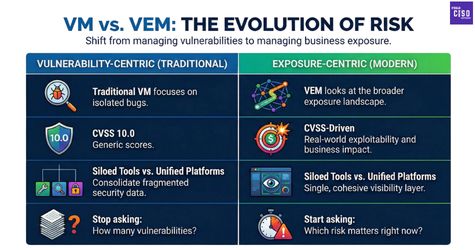
Kenna was designed as a point solution for risk-based vulnerability management. Replacing Kenna with another RBVM tool may address the immediate need, but it does not advance the overall security program.
What Customers Expect Today
Organizations are no longer looking to add tools or complexity. Instead, they are seeking:
- Platform and vendor consolidation
- Simpler, easier-to-use solutions
- Unified visibility across digital environments, from code to cloud
- Risk prioritization based on business impact, threat relevance, and active threat activity
- Integrated workflows connecting discovery, prioritization, validated exposure, and remediation
Platforms Capable of Replacing Kenna
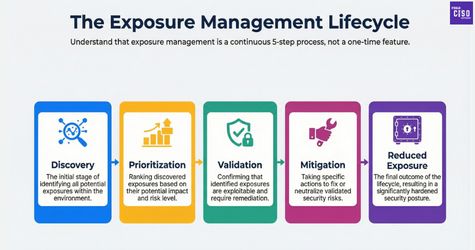
Only three platforms are fully equipped to replace Kenna while enabling a transition to VEM:
The Path Forward

Organizations should not wait until 2028 to take action. A proactive approach involves transitioning to a unified Vulnerability Exposure Management platform, consolidating scanning, prioritization, validation, and mitigation.
Conclusion
The end of Kenna is not a setback. It is an opportunity to modernize.
Did you find this article helpful?
Let the authors know by leaving a like or comment.
No comments yet
Be the first to share your thoughts!